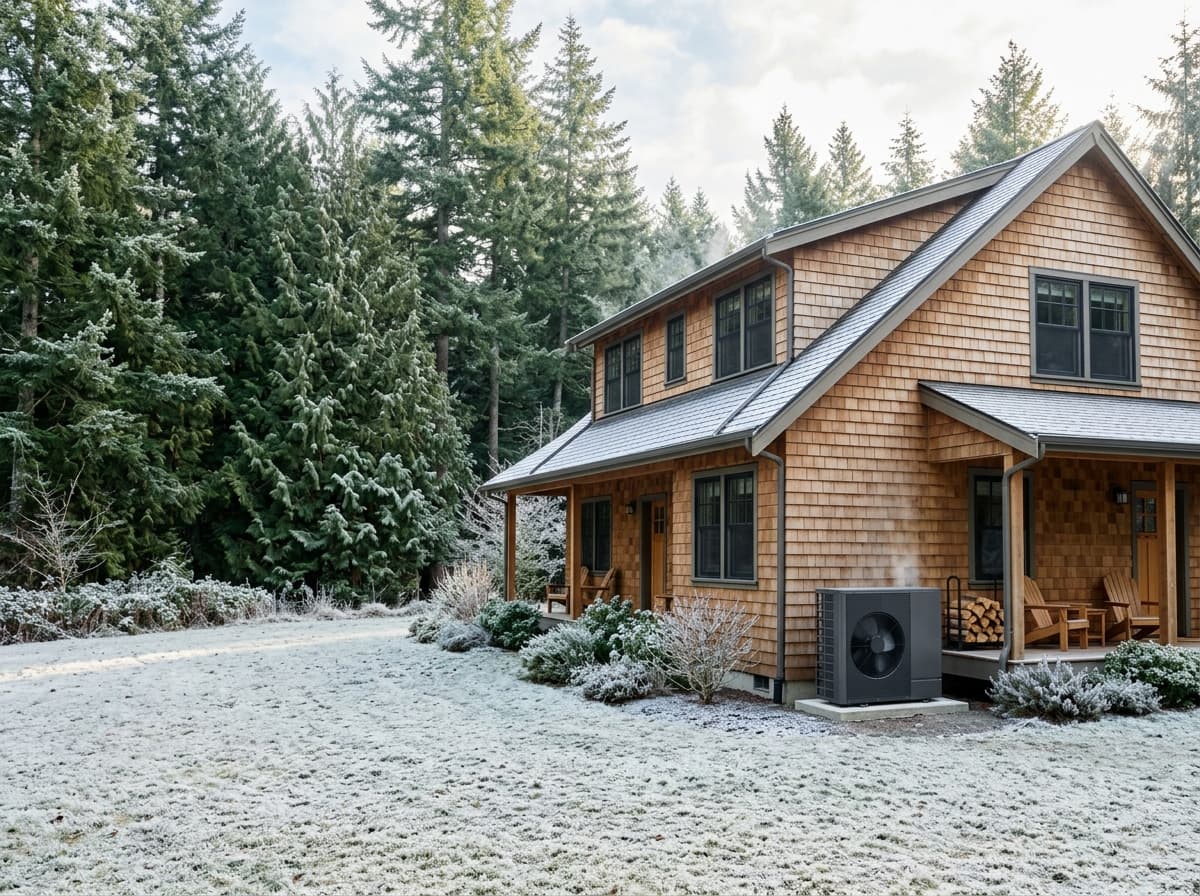
On that first truly cold Portland morning of the year, a lot of homeowners stare at their thermostat and wonder: “Is my heat pump really going to keep up?” If you’re considering switching from a gas furnace, you may also be asking a bigger question: do heat pumps work in cold weather, or will you be shivering every time the temperature dips below freezing?
In the Portland metro, the honest answer is: yes, modern heat pumps absolutely can work in our winters – but system choice and design matter. Some are built for mild Northwest drizzle, others for Montana-style deep freezes. Choosing the right one (and deciding whether to keep a backup furnace) is what makes the difference between toasty and frustrated.
This guide breaks down how cold-climate heat pumps perform here, what their limits really are, and when a dual-fuel setup makes sense.
Key takeaways
- Modern cold-climate heat pumps (including Hyper-Heat models) work well in typical Portland winters.
- Performance drops as temperatures fall, but good systems still produce usable heat into the teens.
- Efficiency is excellent in the 30s–40s, when most of our winter hours occur.
- For rare deep freezes, electric backup or a dual-fuel heat pump with a gas furnace is the most comfortable, reliable approach.
- Proper sizing, ductwork, and controls matter more than the nameplate alone—design is critical.
How cold does Portland actually get?
Before we talk technology, it’s worth looking at our climate. Portland winters are more about damp and gray than bitter cold, but we do see some extremes.
Typical winter patterns:
- Average winter highs: mid-40s °F
- Average winter lows: mid-30s °F
- Most winter hours: between 32–50°F
- Cold snaps: occasional nights in the teens or low 20s, every few years we’ll see single digits for a day or two
From a heating perspective, that means:
- We spend most of our winter in a “sweet spot” temperature range for heat pump efficiency.
- We have short periods that push equipment close to its limits.
So instead of asking only “do heat pumps work in cold weather,” the more helpful question is: “How do different heat pump types perform across Portland’s range of winter temperatures?”
Heat pump basics: why they actually like mild cold
A heat pump doesn’t create heat the way a gas furnace does. It moves heat from outside to inside using refrigerant and a compressor—essentially an air conditioner working in reverse.
- In mild cold (say 35–50°F), there’s still plenty of heat in the air.
- The heat pump just works a bit harder to pull that heat inside.
This is where heat pumps shine:
- Heating efficiency 2–3x that of electric resistance heat (baseboards, space heaters).
- Often lower operating cost than gas in shoulder seasons, depending on electric and gas rates.
When it gets really cold, there’s less heat to grab, so the system must work harder and its efficiency (and output) drop. That’s where cold-climate design comes in.
Cold-climate (Hyper-Heat) vs standard heat pumps
Not all heat pumps are built the same. Around Portland, we typically see three broad categories:
1. Standard heat pumps
- Designed primarily for mild climates.
- Maintain full capacity down to around 30–35°F, then taper off.
- Below freezing, they still work, but may need more help from backup heat.
These can work fine in Portland when paired with a well-designed backup heat source and sized appropriately. But they’re not ideal if you want to rely on the heat pump alone during a cold snap.
2. Cold-climate (Hyper-Heat) heat pumps
Also called “cold climate heat pumps,” “Hyper-Heat,” or “extended temperature” systems, these are engineered specifically for colder air.
Key features:
- Variable-speed inverter compressors that can ramp up capacity as temperatures drop.
- Larger coils and enhanced refrigerant circuits for better low-temp performance.
- Intelligent controls to manage defrost cycles efficiently.
Typical performance:
- Can maintain close to full heating capacity down to ~5°F (varies by model).
- Continue operating—though with reduced output—below 0°F.
In real Portland conditions, a cold climate heat pump often means:
- Very comfortable, steady heat in the 30s and 40s.
- Reliable heating even in the 20s and teens, sometimes without needing backup.
3. Ductless mini-split heat pumps
Ductless systems—often called mini-splits—can be either standard or cold-climate. Many of the highest-performing cold-climate systems available today are ductless.
They’re an excellent option in Portland for:
- Older homes without existing ductwork
- Bonus rooms, ADUs, and finished basements
- Partial-home retrofits or phased upgrades
You can learn more about ductless options on our ductless mini-splits page.
How heat pump performance changes as temperatures drop
To make this concrete, here’s a simplified example of how a modern cold-climate heat pump might perform across Portland-relevant temperature bands. Numbers will vary by brand and model, but this is representative of what we see in the field.
We’ll use COP (Coefficient of Performance) as a quick efficiency benchmark:
- COP 1.0 = 100% efficient (like electric baseboard heat)
- COP 2.5 = 250% efficient (2.5 units of heat per unit of electricity)
And we’ll look at relative heating capacity vs the system’s rated output at 47°F.
| Outdoor Temp (°F) | Typical COP (cold-climate HP) | Approx. Capacity vs Rating | What It Means in Portland |
|---|---|---|---|
| 50°F | 3.0–3.5 | 90–100% | Very efficient; ideal heat pump weather. |
| 40°F | 2.5–3.0 | 90–100% | Still extremely efficient; most winter hours here. |
| 32°F | 2.0–2.5 | 85–100% | Great performance; defrost cycles start to matter more. |
| 25°F | 1.7–2.2 | 75–95% | Still solid; may run longer but should maintain comfort. |
| 15°F | 1.4–1.8 | 60–85% | Works, but backup heat becomes more important in many homes. |
| 5°F | 1.2–1.5 | 50–75% | Marginal on its own for drafty homes; dual-fuel shines here. |
Expert tip: Don’t obsess over a single low-temperature spec. Look at how the system performs across 30–45°F, where your home will spend most of its winter hours.
HSPF2, COP, and what those efficiency numbers actually mean
If you’ve started researching systems, you’ve probably seen HSPF2 on spec sheets. It’s the updated national rating for heat pump heating efficiency.
HSPF2 in plain language
- HSPF2 stands for Heating Seasonal Performance Factor 2.
- It estimates how efficiently a heat pump heats over an entire season under standardized test conditions.
- Higher is better; cold-climate systems often run 8–9+ HSPF2.
In the Portland metro, an efficient cold-climate unit with a solid HSPF2 means:
- Lower electricity use compared to older or standard systems.
- Better performance on those damp 35–45°F days.
COP and real-world bills
Engineers love COP because it’s an instantaneous snapshot, but for homeowners, the key takeaway is:
- When your heat pump is running at COP 2.5, you’re getting 2.5 times the heat for the same electricity as a baseboard heater.
- Even at COP 1.5 in a cold snap, you’re still 50% more efficient than resistance heat.
In practice, that’s why many of our customers who switch from electric resistance heat to a cold-climate heat pump see a significant reduction in winter power bills.
Heat pump vs furnace in Portland: which is better?
If you already have a gas line and a reliable furnace, you might be asking whether it’s worth changing. The heat pump vs furnace decision is rarely one-size-fits-all—especially in our mixed climate.
Where a heat pump shines
- Efficiency in mild weather: In the 35–55°F range, a good heat pump usually beats a gas furnace on efficiency.
- Year-round comfort: You get high-efficiency cooling built in.
- Lower carbon footprint: In the Northwest, our electric grid is relatively clean, so a heat pump can significantly cut emissions.
- Zoning options: Ductless and multi-zone systems can target areas you actually use.
Where a gas furnace still makes sense
- Extreme cold resilience: A gas furnace isn’t fazed by a week of sub-20°F weather.
- Fast temperature recovery: Furnaces can raise the temperature quickly after setbacks.
- Existing infrastructure: If you’ve just installed a high-efficiency furnace, replacing it solely for a heat pump may not pencil out yet.
What we often recommend in Portland is not “heat pump vs furnace,” but heat pump plus furnace—a dual fuel heat pump setup.
What is a dual fuel heat pump system?
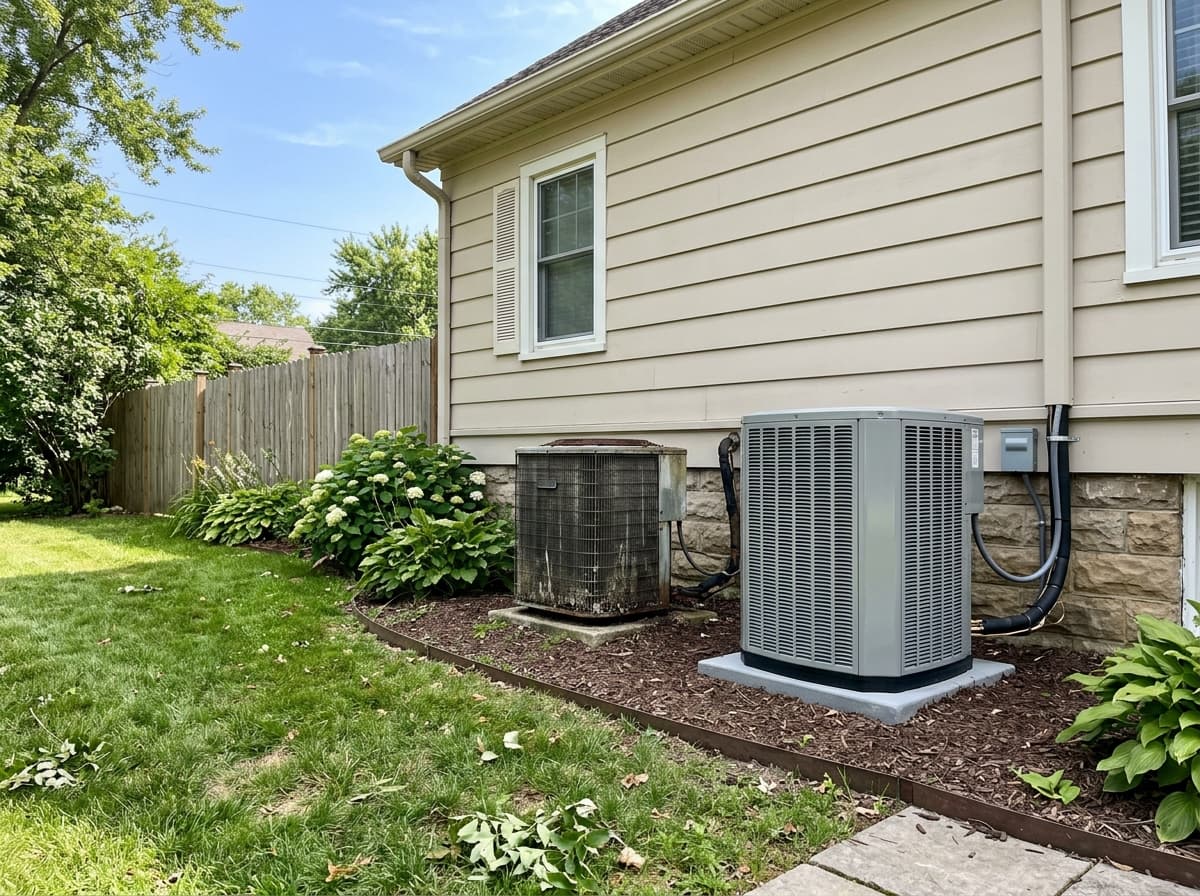
A dual fuel heat pump pairs an outdoor heat pump unit with an indoor gas furnace.
How it works:
- Mild to moderate cold (say 40–35°F and above): The heat pump does almost all the heating, very efficiently.
- Colder weather (typically somewhere in the mid-20s to low 30s): The system can automatically decide whether the heat pump or furnace is more efficient and comfortable.
- Deep freezes: The furnace takes over completely, providing strong, reliable heat.
Benefits in the Portland area:
- Best of both worlds: You enjoy heat pump efficiency most of the winter while keeping the furnace’s high capacity for rare cold snaps.
- Comfort and peace of mind: No worrying whether your system can keep up when the Gorge wind is howling.
- Flexibility: If gas or electric rates change, your HVAC contractor can adjust temperature setpoints so the system favors the most economical heat source.
Dual-fuel is especially attractive if:
- You already have a newer gas furnace you’re happy with.
- Your home is larger or draftier, or you live in a more exposed area (e.g., hills, Columbia River Gorge influence).
All-electric heat pumps with backup: also viable here
For many Portland homes, especially in the city core and close-in suburbs, an all-electric heat pump system with built-in electric backup heat works very well.
Approach:
- Primary heat: Cold-climate heat pump handles 95–99% of winter hours.
- Backup heat: Electric resistance elements in the air handler kick in:
- During defrost cycles
- On rare very cold mornings
- If the heat pump can’t quite maintain the setpoint on its own
This is common on ducted systems and some ductless multi-zone systems.
You can browse options and design considerations on our heat pump installation page.
Comfort factors many people overlook
Most discussions around do heat pumps work in cold weather focus on raw capacity. In real homes, comfort is just as tied to how the system delivers that heat.
Supply air temperature: “warm” vs “hot” heat
- Gas furnaces typically deliver very hot air (110–130°F). It blasts on, warms rooms quickly, then shuts off.
- Heat pumps generally deliver warmer-than-room air (90–110°F) more continuously.
In practice:
- With a heat pump, rooms feel more evenly warm, with fewer swings.
- If your ducts are leaky or poorly insulated, that slightly cooler air can feel drafty—duct sealing and insulation matter.
Run time and noise
- Heat pumps often run longer cycles at lower speeds, especially variable-speed systems.
- Many homeowners actually prefer this because it keeps the temperature steady and reduces on/off noise.
If you’re used to the “roar” of a furnace, a correctly sized heat pump may feel surprisingly quiet and constant.
Sizing and home upgrades: why they matter so much
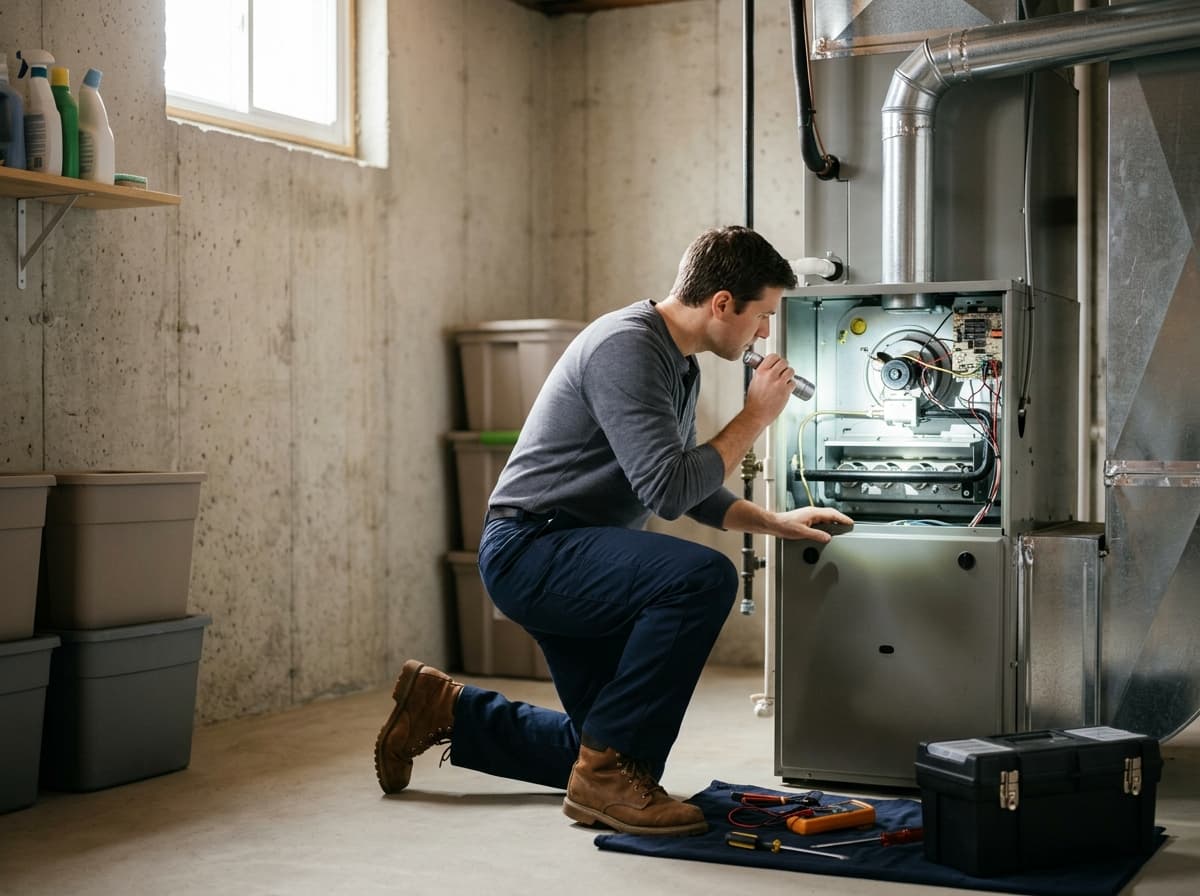
Even the best cold-climate technology can’t fully compensate for a system that’s undersized for a leaky house. When we evaluate homes around Portland, we pay close attention to:
- Insulation levels: Especially in attics and crawlspaces.
- Air leakage: Older homes, in particular, can be very drafty.
- Duct condition: Leaky, uninsulated ducts in attics or crawlspaces can waste a huge amount of heat.
Sometimes, a bit of home performance work can:
- Make a slightly smaller heat pump more than adequate.
- Reduce how often backup heat has to run.
- Improve comfort in rooms that have always been too cold or too hot.
If you’re on the fence about heat pumps, it may be worth budgeting for basic air sealing and insulation upgrades at the same time.
Portland-specific pros and cons of heat pumps
Advantages in our climate
-
Great match for mild, wet winters
- The long stretches in the 35–50°F range align perfectly with heat pump efficiency sweet spots.
-
Built-in high-efficiency AC for smoky summers
- Our summers are getting hotter and wildfire smoke events more frequent. A heat pump gives you both heating and cooling in one system.
-
Utility and incentive support
- Local utilities and regional energy programs often promote heat pumps, especially for homes converting from resistance heat. Offers change frequently, so it’s important to verify current incentives and have a contractor help you navigate them.
-
Good fit for all-electric or solar homes
- If you’re moving away from fossil fuels or planning solar, a heat pump can be a big piece of the puzzle.
Challenges and tradeoffs
-
Deep freeze performance
- During those few nights a year in the teens, you’ll rely more on backup heat or a dual-fuel setup.
-
Upfront cost
- A high-quality cold-climate system typically costs more upfront than a basic furnace replacement, though it can simplify your system by combining heating and cooling.
-
Design sensitivity
- Poorly sized or installed heat pumps are more likely to struggle in bad weather. Choosing an experienced installer matters.
How we approach heat pump design in the Portland metro
As a local heating contractor working in the Portland area since 1979, our team at Northwind Heating & Cooling looks at each home individually. For cold-weather performance, we typically:
-
Run a load calculation
- We estimate your home’s heat loss at different outdoor temperatures (not just a rule-of-thumb based on square footage).
-
Look at your location and microclimate
- A home in inner Southeast Portland may see different extremes than one in Troutdale, North Plains, or higher elevations.
-
Discuss your comfort expectations
- Are you okay with a slightly slower warmup during cold snaps, or do you want “furnace-like” response all the time?
-
Consider your existing equipment
- If you have a newer gas furnace, a dual fuel heat pump might be the perfect step.
- If you have aging baseboards, a ductless or ducted cold-climate heat pump can be a major upgrade.
-
Evaluate electrical capacity
- For all-electric systems, we’ll check your panel and discuss any needed upgrades.
For a full list of what we do on the heating side, see our general heating services overview.
When a furnace-only setup might still be your best bet
Even as heat pumps improve, there are cases where we’ll honestly say: “You’re better off, for now, staying with or upgrading your furnace.” For example:
- You recently installed a high-efficiency gas furnace and central AC.
- Your home is in a very exposed, colder microclimate and you’re not planning any envelope upgrades.
- You’re primarily concerned with extreme-cold performance and don’t mind slightly higher operating costs in mild weather.
In those situations, we’ll usually recommend keeping what works and revisiting heat pumps when you’re due for your next full system replacement.
What about ductless heat pumps in Portland winters?
Ductless mini-splits are increasingly common around Portland, especially in:
- Craftsmans and bungalows without ducts
- Mid-century homes with electric baseboards
- ADUs, attics, and basement conversions
Cold-climate ductless systems can perform very well in winter, often maintaining strong output into the teens. They also avoid duct losses, which helps in older, draftier homes.
They’re worth considering if you:
- Want to upgrade one area at a time.
- Need both heating and cooling in an addition or separate space.
- Prefer individual temperature control by room or zone.
You can explore options and design ideas on our ductless mini-splits page.
Is a heat pump right for your Portland home?
A heat pump is very likely a good fit if:
- Your home spends most of winter between 30–50°F (which is true for much of the Portland metro).
- You want efficient heating and cooling in one system.
- You’re open to either:
- A cold-climate heat pump with backup electric heat, or
- A dual fuel heat pump paired with your furnace.
It may be less ideal if:
- Your home is very leaky and you’re not planning any efficiency upgrades.
- You expect fast, blast-like heat from very small ducts that already struggle.
The best way to decide is usually a site visit and load calculation, not just reading spec sheets.
Final thoughts: an honest answer to “Do heat pumps work in Portland winters?”
In the Portland metro, yes—modern cold climate heat pumps work, and work well, in our winters when they’re:
- Correctly sized,
- Thoughtfully paired with backup or dual-fuel heat, and
- Installed with an eye toward your home’s envelope and ducts.
You don’t have to choose between staying warm in February and staying cool in an August heat wave. A well-designed heat pump system can handle both.
If you’re curious whether a cold-climate or dual fuel heat pump makes sense for your home, our NATE-certified, licensed and insured team (OR CCB #219847) is happy to walk you through your options. Call Northwind Heating & Cooling at (503) 555-0198 or request an appointment online to schedule a no-pressure assessment and find out what will keep your home comfortable year-round.