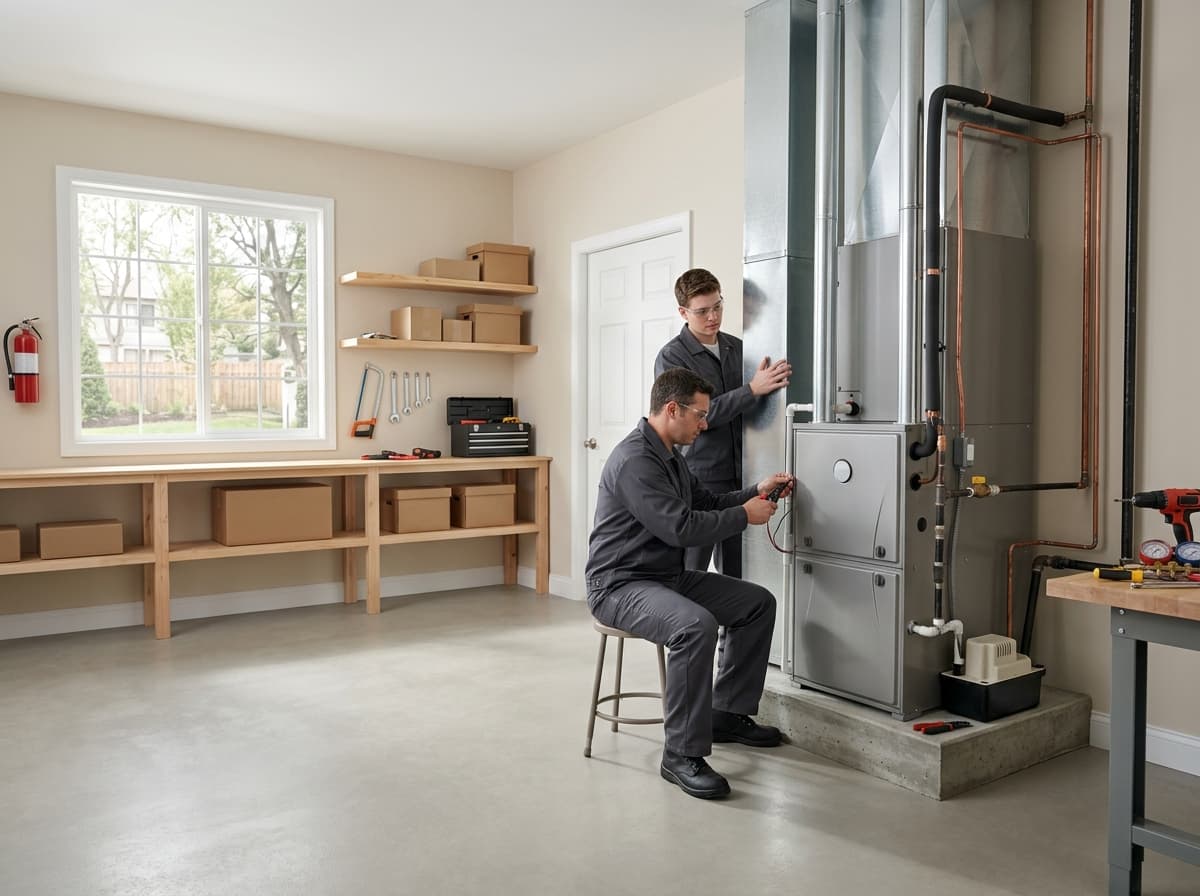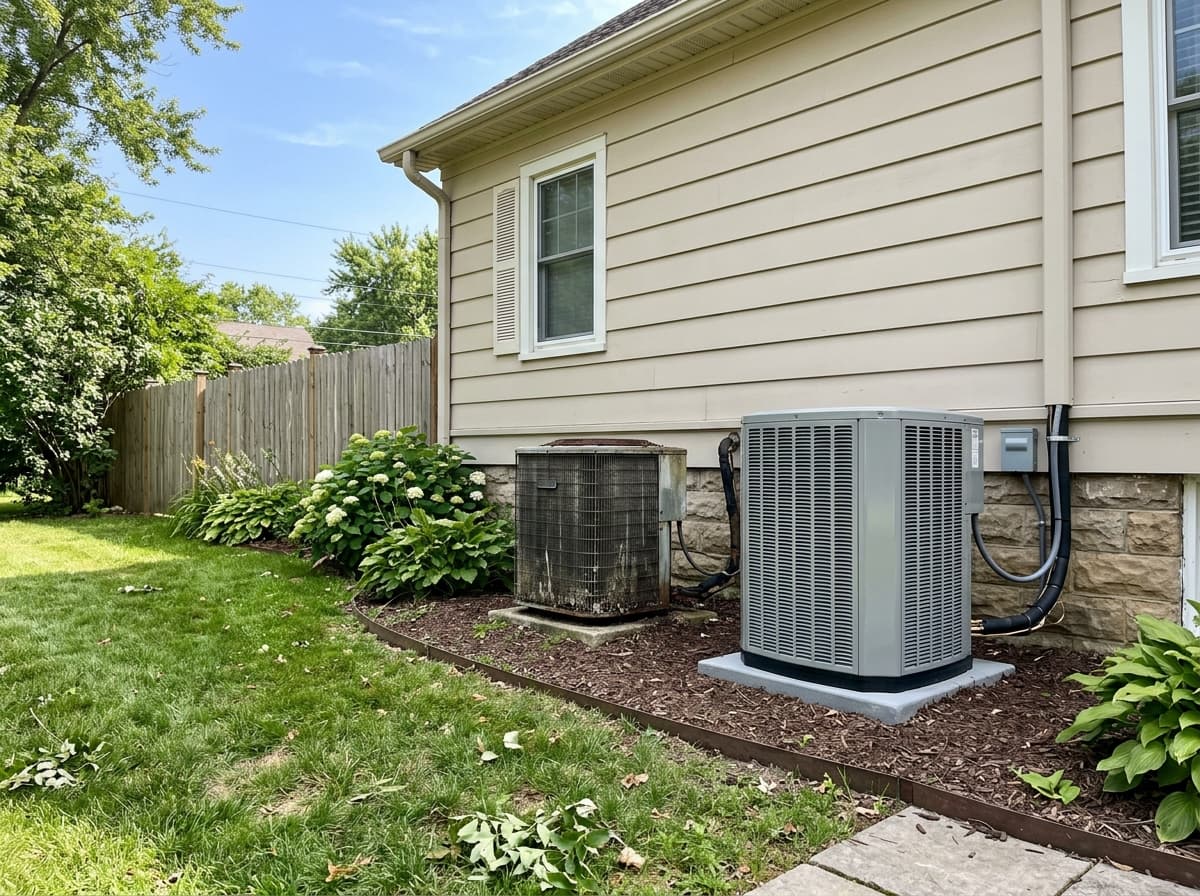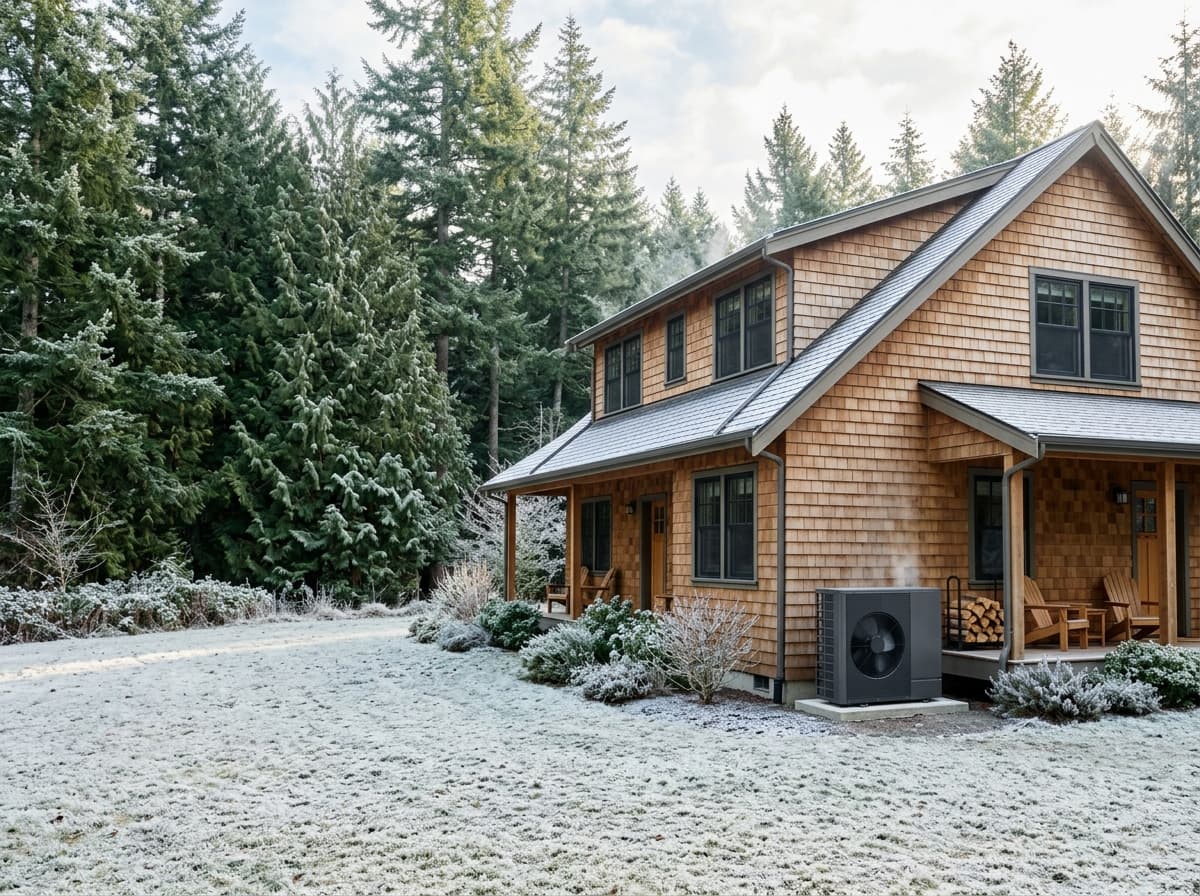
If you’ve been thinking about replacing that old gas furnace or adding air conditioning before the next Portland heat wave, you’ve probably heard about Oregon heat pump rebates and tax credits. Between Energy Trust of Oregon, local utilities like PGE and Pacific Power, and the federal 25C tax credit, many Portland-metro homeowners can trim thousands off the cost of a new heat pump — if you know how to stack the programs and fill out the paperwork correctly.
In this guide, we’ll walk through what’s likely available in 2026, what to watch out for, and how we at Northwind help Portland-area homeowners pull it all together.
Expert tip: Incentive amounts and rules change frequently. Think of the numbers in this article as ballparks, not promises. Always confirm current details before you buy.
Key takeaways
- Multiple programs may apply to one project: Energy Trust of Oregon, PGE/Pacific Power, income-based programs, and the federal 25C tax credit.
- Total savings can reach into the low thousands of dollars for a qualifying high-efficiency heat pump, but amounts change year to year.
- To claim most rebates, the system must meet specific efficiency ratings and be installed by a qualified contractor.
- The 25C federal credit can be up to 30% of project cost, capped at $2,000 per year for qualifying heat pumps in 2026.
- Northwind can help you design a rebate-eligible system, estimate incentives, and handle most of the paperwork.
Why heat pumps make so much sense in the Portland climate
Portland’s climate is tailor-made for modern heat pumps:
- Mild winters: Most winter days hover in the 30s and 40s, with just a handful of deep-freeze events. That’s ideal territory for heat pumps, which are most efficient above about 20°F.
- Hotter summers: Over the last decade, we’ve seen more 90°+ days and smoky wildfire seasons. A heat pump provides both high-efficiency cooling and heating in one system.
- High energy costs: As electric and gas rates creep up, the efficiency of a properly sized heat pump can significantly cut your annual utility bills.
Compared to a standard electric furnace or baseboard heaters, a high-efficiency heat pump can use less than half the energy to provide the same comfort. That efficiency is exactly why Oregon and the federal government offer rebates and tax credits to help with the upfront cost.
The main types of Oregon heat pump incentives in 2026
Most Portland-metro homeowners will have some combination of these four incentive categories:
- Energy Trust of Oregon rebates (for eligible utility customers)
- Utility-specific rebates from Portland General Electric (PGE) or Pacific Power
- Income-qualified programs that offer larger rebates or no-cost upgrades for lower- and moderate-income households
- Federal 25C heat pump tax credit (claimed on your federal tax return)
Every program has its own rules, caps, and paperwork. The rest of this article walks through each one in more detail.
1. Energy Trust of Oregon heat pump rebates
Energy Trust of Oregon (ETO) manages many of the core incentives for high-efficiency upgrades in our region.
Who is eligible?
Generally, you may qualify for an Energy Trust of Oregon rebate if:
- Your home is in Oregon
- Your electric utility is a participating utility (commonly PGE or Pacific Power in the Portland area)
- Your heat pump is installed by an approved trade ally contractor
Northwind Heating & Cooling is a participating contractor, so qualifying systems we install can be submitted for rebates, subject to program rules at the time of installation.
Typical Energy Trust of Oregon rebate structure
Exact amounts and requirements change, so view the examples below as illustrative ranges only.
In recent years, ETO rebates for heat pumps have often depended on:
- Type of system: ducted heat pump vs. ductless mini-split
- Existing heating system: electric furnace, baseboards, natural gas, or oil
- Efficiency ratings: SEER2 (cooling) and HSPF2 (heating)
- Control strategy: whether you keep or replace your existing furnace and how the new system is set up to run
Rebates tend to be higher when you:
- Replace electric resistance heat (electric furnace or baseboards)
- Install a higher-efficiency unit
- Use the heat pump as your primary heating source
When we perform a heat pump installation, we build an incentive estimate into your quote and confirm what’s available at that moment.
2. PGE and Pacific Power heat pump rebates
On top of Energy Trust of Oregon incentives, many Portland-area homeowners receive utility-specific rebates from their electric company.
Portland General Electric (PGE)
PGE often layers additional incentives on top of ETO programs, especially for:
- Ductless mini-split systems
- Heat pumps replacing electric resistance heating
- Smart thermostats installed with high-efficiency equipment
You must be a PGE customer, and the system usually needs to meet certain efficiency ratings to qualify.
Pacific Power
Pacific Power has similar, but not identical, programs. For example, they may:
- Focus more on homes with electric resistance heating
- Offer different rebate levels for ductless vs. ducted systems
- Occasionally run time-limited bonus incentives
Key tip: PGE and Pacific Power change their offers more often than the equipment in your home changes. Always check current program details or have your contractor do it before you finalize your equipment.
Northwind keeps current documentation for both utilities so we can tell you, during an in-home estimate, what your approximate combined incentives might look like.
3. Income-qualified heat pump programs
If your household income falls under certain limits, you may qualify for enhanced incentives that are often much larger than standard rebates.
In our region, income-qualified support may come from:
- Energy Trust of Oregon’s income-qualified offers
- Local community action agencies and weatherization programs
- Utility-led income-based programs
These programs can sometimes cover a very large share of the project cost, especially when:
- You currently heat with electric resistance or very old equipment
- Your home needs weatherization (insulation, air sealing) along with a new heat pump
Because income-qualified programs are often administered by different agencies, the process can be more complex. When we identify that a homeowner may be eligible, we can help connect you with the right local program contacts so you’re not starting from scratch.
4. Federal 25C heat pump tax credit for 2026
The federal Energy Efficient Home Improvement Credit, often just called the 25C tax credit, is a major piece of the puzzle for 2026.
How the 25C tax credit works
As currently structured (and subject to change by Congress), the 25C credit:
- Is worth up to 30% of the qualifying project cost, including equipment and certain installation costs
- Is capped at $2,000 per year for qualifying heat pumps and heat pump water heaters combined
- Is a nonrefundable personal tax credit claimed on your federal income tax return
That means you can reduce the taxes you owe by up to $2,000 in the year the system is installed, assuming you have at least that much tax liability.
What qualifies for the heat pump tax credit in 2026?
To qualify for the 25C heat pump tax credit in 2026, your new system must meet or exceed efficiency standards set by the IRS and DOE. Those standards are often based on:
- SEER2 (cooling efficiency)
- HSPF2 (heating efficiency)
- Product certification from recognized efficiency programs
Most high-efficiency heat pumps Northwind installs in the Portland area are selected with these criteria in mind. During your estimate, we flag which models appear to be 25C-eligible at that time.
Important: 25C rules and qualifying efficiency levels can change. Always confirm with your tax professional and review the latest IRS guidance before relying on any credit amount.
How to claim the 25C tax credit
The typical steps:
- Install a qualifying system during the tax year.
- Keep your documentation, including invoice and manufacturer’s certification statement.
- File IRS Form 5695 with your federal tax return for the year of installation.
- Consult a tax professional to make sure you’re maximizing your credit within the overall energy-efficiency caps.
Northwind provides the detailed equipment information you or your tax advisor will need for the 25C claim.
Quick comparison: common 2026 heat pump incentive types
The table below summarizes how the major programs typically differ. Values are representative only and will change; use this to understand structure, not to calculate exact amounts.
| Program type | Who offers it | How you get it | Typical benefit range* | Notes |
|---|---|---|---|---|
| Energy Trust of Oregon rebate | Energy Trust of Oregon | Cash rebate after installation | Low to mid four figures | Depends on utility, existing system, and equipment efficiency |
| Utility rebate (PGE/Pacific) | Local electric utility | Bill credit or mailed rebate | Low to mid three figures | Often stacks with ETO rebates |
| Income-qualified incentives | ETO, utilities, agencies | Varies by program | Higher than standard | May cover large share of project for eligible households |
| Federal 25C tax credit | Federal government (IRS) | Credit on your tax return | Up to $2,000 per year | 30% of qualifying costs, subject to annual caps |
*Ranges are approximate and for planning only. Always verify current program details.
How stacking rebates and credits really works
Many homeowners assume they must pick a single program, but in practice you can often layer several incentives on one project.
A typical Portland-metro scenario might look like this (purely as an example):
- Home has an older electric furnace and no central AC
- We install a high-efficiency ducted heat pump system
- Homeowner is a PGE customer and qualifies for Energy Trust of Oregon incentives
- System meets current 25C standards
That single project could potentially receive:
- An Energy Trust of Oregon rebate
- A utility rebate from PGE (if offered at the time)
- The federal 25C tax credit on the homeowner’s next tax return
Your out-of-pocket cost will depend on:
- System size and efficiency
- Ductwork and electrical upgrades needed
- Which programs are active the day your project is installed
- Your tax situation (for 25C)
When we prepare a proposal, we show:
- The full project cost
- The estimated incentives (labeled clearly as estimates)
- The net cost after currently known rebates
This helps you compare financing options and decide which equipment tier makes the most sense.
Requirements that can affect your Oregon heat pump rebates
Most incentives come with fine print. Common requirements include:
1. Qualified contractor
- Must be licensed, bonded, and insured
- Often must be a participating contractor with Energy Trust of Oregon or your utility
Northwind meets these requirements (OR CCB #219847) and has been serving Portland-area homeowners since 1979.
2. Efficiency minimums
Your new heat pump often must meet or exceed specific SEER2 and HSPF2 ratings. These thresholds can be different for:
- Ductless vs. ducted systems
- New construction vs. existing homes
- Different utilities or programs
We size and specify equipment with these limits in mind, but we never recommend a system just for rebates. Comfort and reliability come first.
3. Primary heating role
Some programs require that the heat pump be your primary heating system, not just a backup to a furnace. This can influence:
- How we set up controls and thermostats
- Whether you keep your existing furnace as backup
4. Deadlines and paperwork windows
Rebate applications usually have:
- A deadline (e.g., 90 days after installation)
- Required documents (invoices, model/serial numbers, photos)
Northwind completes and submits most of this for you, but we occasionally need signatures or copies of your utility bill.
Common heat pump options in the Portland area
Your incentive path will also depend on which type of heat pump makes sense for your home.
Ducted heat pumps
Ideal when you already have ductwork in a single-family home. Benefits:
- Whole-home heating and cooling
- Cleaner look with no wall-mounted indoor heads
- Often pairs well with existing furnace as backup
Ductless mini-split heat pumps
Popular for:
- Older Portland bungalows without existing ducts
- ADUs, basements, and attic conversions
- Homes with electric baseboard or wall heaters
Ductless systems can qualify for strong incentives, especially when replacing electric resistance heat. They also perform well in our climate’s shoulder seasons, when you don’t need full central heating.
Cold-climate heat pumps
If you live at higher elevation or in an area that regularly sees temperatures in the teens, a cold-climate model may be worth the added cost. These systems maintain better capacity and efficiency during cold snaps, which are happening more often across the Willamette Valley.
What about financing alongside rebates and credits?
Upfront cost is one of the biggest hurdles for most homeowners, even with good rebates available.
Northwind offers $0-down financing options for qualifying customers. Many Portland homeowners choose to:
- Finance the installation
- Apply rebates as they arrive to pay down the balance
- Then use the 25C credit at tax time to reduce what’s left
You can learn more about our financing options and how they might pair with incentives. We’re happy to run side-by-side comparisons so you can see:
- Estimated monthly payment ranges
- How rebates and credits might reduce your net cost
- Tradeoffs between different equipment tiers
How Northwind handles the rebate process for you
We’ve seen more than a few homeowners leave money on the table simply because the paperwork felt overwhelming.
Here’s how we simplify it:
-
In-home assessment
We evaluate your existing system, ductwork, electrical panel, and insulation, and talk through your comfort issues (e.g., cold bedrooms upstairs, hot west-facing rooms in summer). -
Rebate-optimized proposal
We design a system that’s right for your home and budget, then identify which incentives it currently appears to qualify for. -
Clear documentation
Your proposal breaks out estimated rebates and credits separately from the project price, so you can see what’s guaranteed (our price) versus what’s estimated (third-party incentives). -
Paperwork support
After installation, we gather all necessary info (model/serial numbers, performance data, invoices) and submit rebate applications for programs that allow contractor submission. -
Tax credit information packet
For the 25C credit, we provide documentation about your equipment and point you toward the IRS forms and public guidance you or your tax professional will use.
If you’d like to see how this works for your specific home, you can get a rebate-eligible quote and we’ll walk through the options.
Key reminders and disclaimer
Because incentive programs are constantly evolving, it’s important to keep expectations realistic:
- Amounts are not guaranteed: All ranges and descriptions in this article are examples based on recent program structures, not promises.
- Programs may change or end: Utilities and government agencies can adjust or cancel programs without notice.
- Your situation is unique: Utility provider, home type, existing equipment, and income level all influence eligibility.
- We are not tax advisors: Northwind can share information about equipment and known program rules, but only a tax professional can advise you on your specific tax situation.
Disclaimer: This article is for general informational purposes only and reflects our best understanding of incentives as of mid-2026. Always confirm current rebate and tax credit details directly with Energy Trust of Oregon, your utility, and a qualified tax professional before making purchase decisions.
What to do next if you’re considering a heat pump
If you’re in the Portland metro, Washington or Clackamas counties, or SW Washington and you’re ready to explore a heat pump upgrade, here’s a simple path:
- Schedule a no-pressure in-home visit. We’ll inspect your current system, talk about comfort goals, and check for any issues like undersized ducts or airflow problems.
- Review a customized proposal. You’ll see equipment options, estimated incentives, and financing paths laid out side by side.
- Let us handle the details. If you move forward, we handle permitting, installation, and most rebate paperwork, and provide what you need for the federal tax credit.
You can explore our heat pump installation services to get a sense of what’s involved, or check our service area if you’re not sure we cover your neighborhood.
When you’re ready, call Northwind Heating & Cooling at (503) 555-0198 or contact us online to schedule an assessment. We’ll help you sort through Oregon heat pump rebates and tax credits so you can make a clear, informed decision for your home and budget.