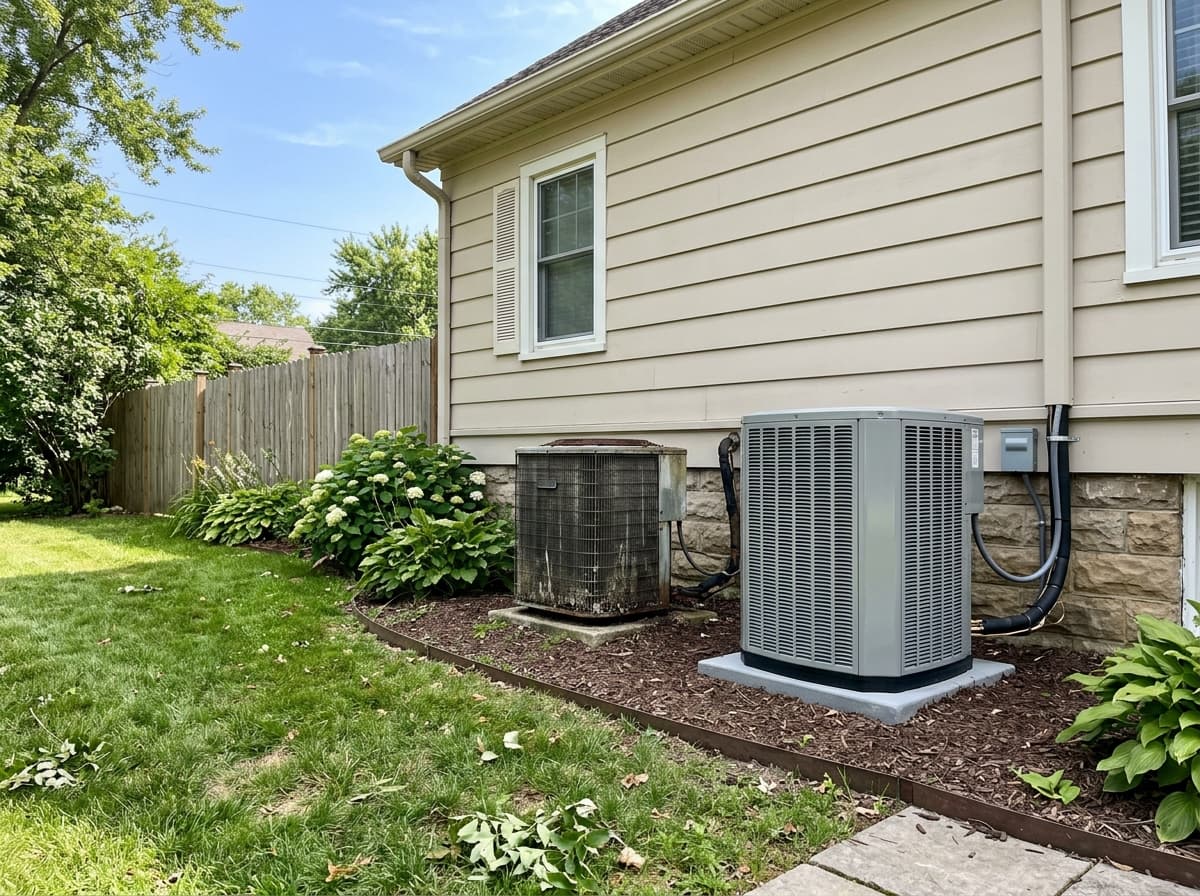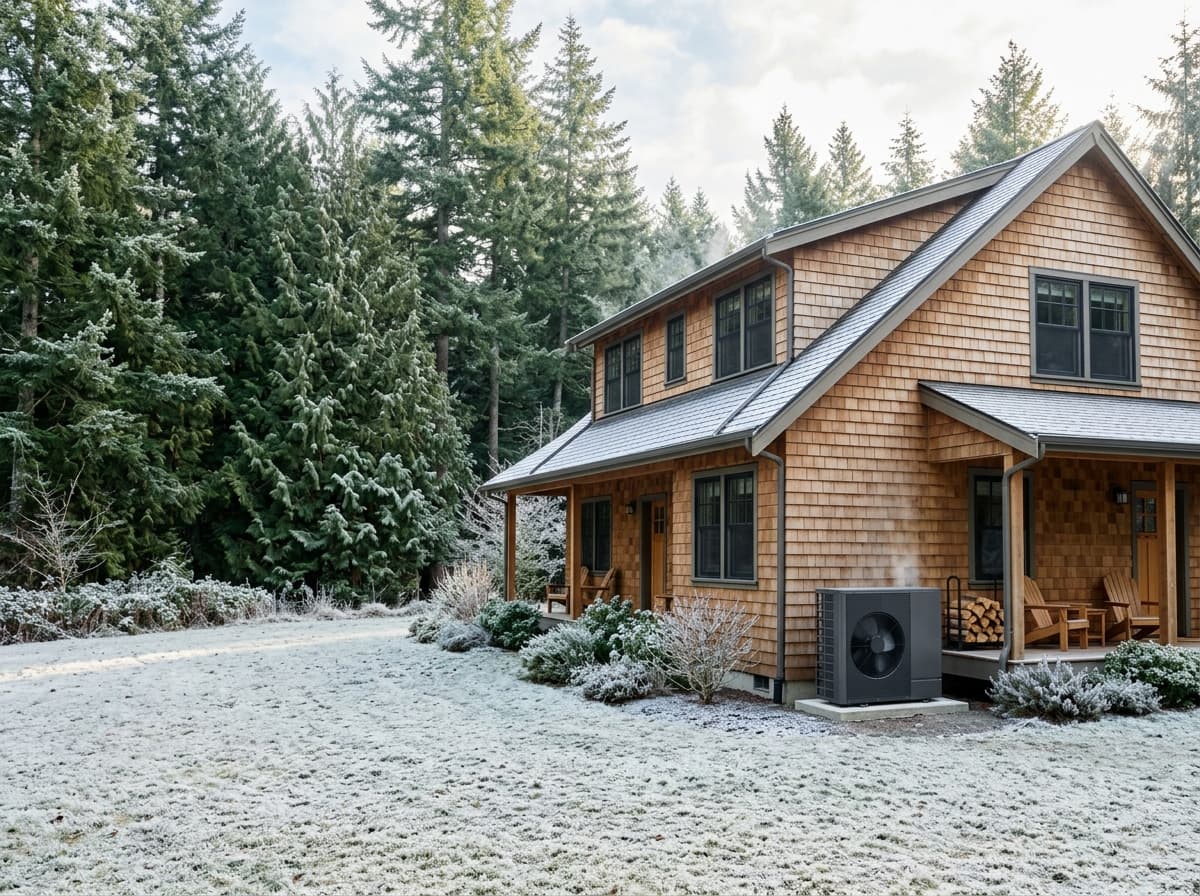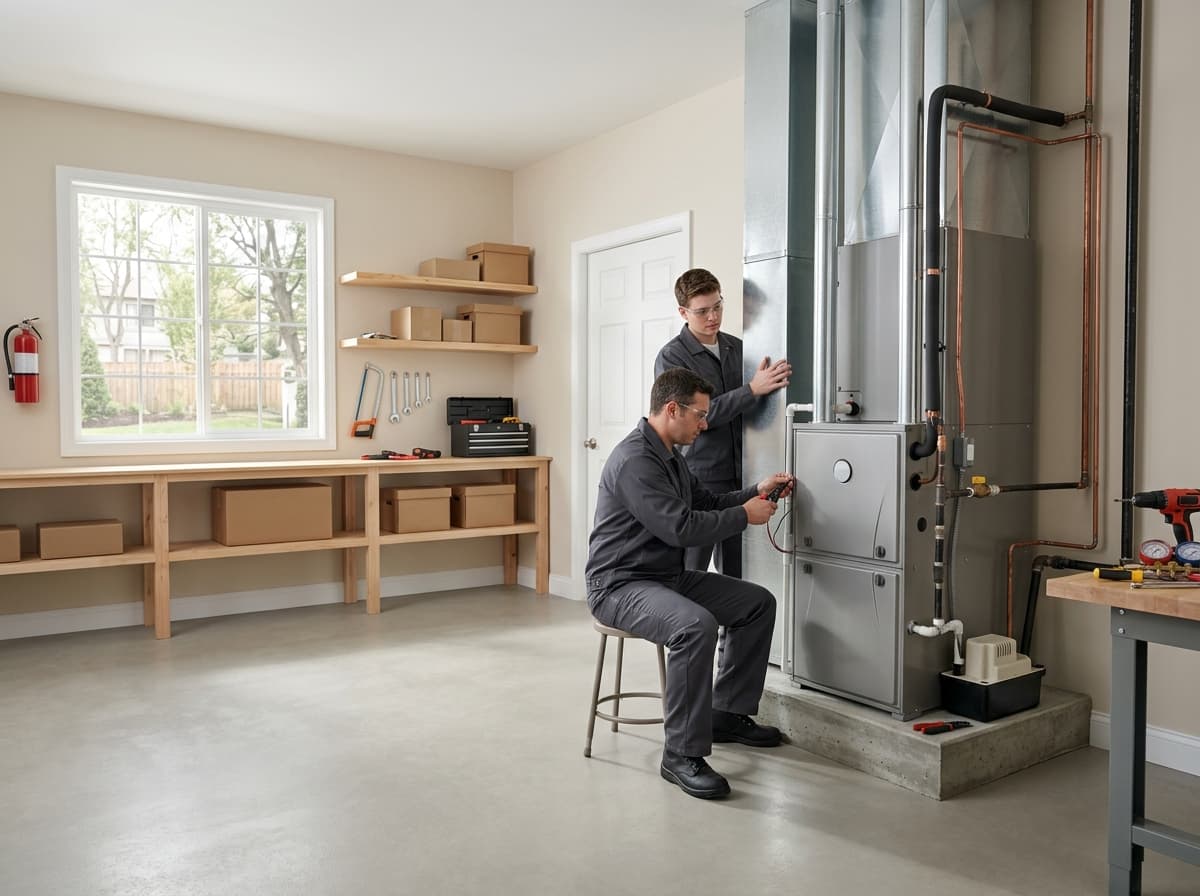
If you’re staring at a tired old furnace or a wheezing AC and wondering, “What is this really going to cost me in 2026?” you’re not alone. We’ve been having a lot more honest budget talks with Portland homeowners lately, and most of them start with the same question: what’s a realistic HVAC installation cost in Portland right now — not a too-good-to-be-true ad price?
This guide lays out realistic 2026 price ranges for new ACs, furnaces, heat pumps, and ductless mini‑splits in typical Portland-metro homes, plus the biggest factors that push your quote up or down.
Important: All numbers here are ballpark ranges for educational purposes — not a quote. Your home, equipment choices, and code requirements matter. A proper Manual J load calculation and in-home visit are the only way to dial in an accurate price.
Key takeaways
- In 2026, most full HVAC replacements in Portland land somewhere between many thousands and the low tens of thousands depending on system type and scope.
- New furnace cost is usually lower than a full AC or heat pump install, but ductwork, venting, and code updates can add to the total.
- The 2023+ efficiency rules (SEER2/HSPF2) and local energy code updates have nudged prices up compared with systems from 5–10 years ago.
- Your exact AC or HVAC installation cost in Portland depends heavily on sizing, efficiency tier, ductwork condition, electrical/venting, permits, and difficulty of the install.
- Most homeowners spread the project out with $0-down HVAC financing instead of paying all at once.
Why HVAC pricing feels so confusing in 2026
If you’ve tried to compare system prices online, you’ve probably seen everything from suspiciously cheap “whole‑house AC installs” to luxury systems that cost more than a decent used car.
There are a few reasons for the spread:
- Every Portland home is different. A 1,200 sq. ft. bungalow in Sellwood with leaky 1940s ducts is a very different project from a 3,000 sq. ft. new build in Happy Valley.
- Code and efficiency standards keep evolving. New SEER2/HSPF2 rules and local code changes have bumped up equipment and installation requirements.
- Hidden work matters. Duct leaks, undersized returns, bad flue venting, and electrical upgrades can silently add to the bill — and they’re hard to see in a quick ad price.
- Quality of install changes everything. Two systems with the same brand name can perform wildly differently depending on how carefully they’re sized, designed, and set up.
The goal of this guide is to give you the right expectation range, so when you start talking to contractors you can quickly spot both red flags and realistic quotes.
2026 HVAC price ranges at a glance
These ranges are based on typical, code-compliant installations we see around the Portland metro, Washington & Clackamas counties, and SW Washington. They assume a single-family home and do not include major remodels or full duct system redesigns.
Again, these are estimates only, not quotes.
| System type | Typical scenario (Portland area home) | Notes on what’s included |
|---|---|---|
| Gas furnace replacement | Existing ducted system, basic venting in place | New furnace, basic venting tweaks, thermostat, permit, labor |
| Central AC (add-on to furnace) | Home already has ductwork and gas furnace | Condenser, indoor coil, line set, electrical, refrigerant, permit |
| Furnace + AC combo replacement | Replacing older split system, re-using serviceable ducts | Both units, shared coil, thermostat, startup & commissioning |
| Heat pump (ducted) | All‑electric or dual fuel, existing ductwork usable | Outdoor unit, indoor air handler or coil, refrigerant, controls, permit |
| Ductless mini-split (1–3 zones) | Adding cooling/heat to rooms or small homes without ducts | Outdoor unit, 1–3 indoor heads, line sets, brackets, electrical |
| Full duct system replacement/add-on | Old, leaky, undersized ductwork or adding ducts to finished spaces | New duct design, fabrication, registers, balancing, sealing, insulation |
Because we can’t give firm numbers without a site visit, think of your project as likely landing somewhere in the broader ranges we’ll outline for each type of system below.
What really drives HVAC cost in Portland
Before we break out systems, it helps to understand the big levers that drive pricing up or down.
1. Sizing and Manual J load calculations
In the Portland climate — with cool, damp winters and more frequent summer heat waves — right-sizing your system is critical.
A reputable contractor should perform a Manual J load calculation, which factors in:
- Square footage and ceiling heights
- Insulation levels and window types
- Orientation (how much sun your home gets)
- Air leakage and construction quality
- Duct location (conditioned vs unconditioned spaces)
Skipping Manual J and “guesstimating” tonnage is how you end up with:
- A system that’s too big, which short-cycles, creates humidity issues on muggy summer days, and wastes money
- A system that’s too small, which struggles during cold snaps in February or 100°F spikes in August
The load calculation itself doesn’t add huge cost, but it affects which size system you need — and stepping up even one size can influence overall price.
2. Efficiency tier (and comfort features)
Higher efficiency and comfort options cost more up front but can reduce your utility bills and improve comfort, especially in our mixed heating-and-cooling climate.
Key terms you’ll see:
- AFUE (Annual Fuel Utilization Efficiency) for furnaces
- SEER2 for AC and heat pumps (cooling efficiency)
- HSPF2 for heat pumps (heating efficiency)
Upgrades that typically raise cost:
- Higher AFUE gas furnace (e.g., from an entry-level efficiency to a high-efficiency condensing model)
- Higher SEER2/HSPF2 heat pump or AC
- Two-stage or variable-speed compressors and blowers for better temperature and humidity control
- Advanced communicating thermostats and zoning controls
In the Portland area, where we run heat a lot of the year and have 2–3 months of real AC demand, many homeowners choose a mid- to high-efficiency tier as a sweet spot between upfront price and long-term operating cost.
3. Ductwork condition and access
Ducts are a big wildcard in pricing.
- Good news: If your ducts are in decent shape, correctly sized, and reasonably tight, you may not need more than minor repairs.
- Bad news: Collapsed, undersized, or very leaky ducts — common in older Portland homes with 1970s–1990s systems — can add meaningfully to the project.
Duct-related cost drivers:
- Replacing or resizing trunk lines and key branches
- Adding return air pathways (a frequent issue in older homes)
- Sealing and insulating ducts in attics, crawlspaces, or garages
- Access difficulty (tight crawlspaces or hazardous insulation)
Ignoring bad ducts to “save money” often means your shiny new system still delivers uneven rooms and high energy bills.
4. Electrical, gas, and venting work
Bringing your home up to current code is non-negotiable and can impact price:
- Electrical: New circuits for heat pumps, AC condensers, or air handlers; panel upgrades in some older homes.
- Gas: Line sizing, shutoff valves, and routing for new furnaces.
- Venting: New PVC venting for high-efficiency furnaces, flue repairs, or chimney liners.
Homes in close-in Portland neighborhoods (built pre-1950) often need more electrical or venting work than newer homes on the westside or in outer suburbs.
5. Permits, inspections, and quality of labor
Legitimate HVAC installations in our area require permits and inspections. That adds some cost, but it also protects you from unsafe or uninsurable work.
Installers who are licensed, insured, and NATE-certified generally charge more than side-gig “cash” work — but they also:
- Stand behind warranties
- Pull the correct permits
- Set up equipment to manufacturer specs
- Are there in five years if there’s an issue
When you’re investing thousands into a system you’ll live with for 15–20 years, the quality of the installation is where a lot of the real value lives.
New furnace cost in Portland (2026)
A gas furnace replacement is still one of the most common projects we see around the Portland metro, especially in homes that already have ductwork and natural gas service.
Typical furnace replacement scenarios
You might be looking at a new furnace if:
- Your existing furnace is 15–25 years old and unreliable
- The heat exchanger is cracked or unsafe
- Repair estimates are high relative to the unit’s age
- You’re adding AC and your old furnace is undersized or incompatible
What usually affects furnace cost
Cost drivers for a furnace project include:
- Furnace size (BTUs) based on Manual J
- Efficiency tier (standard vs high-efficiency condensing)
- Venting changes (metal flue vs PVC through a side wall)
- Gas line or shutoff valve updates
- Need to modify the plenum or coil cabinet if adding AC/heat pump
- Accessibility (tight crawlspaces, attics, or small mechanical rooms)
For many projects, the furnace is paired with a new central AC or heat pump, which changes the overall system cost. You can learn more about how we approach combo systems on our furnace installation page.
When a heat pump might make more sense
With our relatively mild winters and rising gas prices, we’re seeing more homeowners consider heat pumps instead of replacing a gas furnace with another gas-only heater — especially in all-electric homes or where decarbonization is a priority.
Often, the question is whether to:
- Keep the gas furnace as backup (dual fuel), or
- Go all-in on an efficient heat pump system
That choice affects both upfront cost and your long-term utility bills.
AC installation cost (central air) in Portland
Central AC used to be considered a luxury here. With recent summers bringing more 90–100°F stretches, AC installation cost is now a common budgeting question for Portland homeowners.
Add-on AC vs full system replacement
There are two main scenarios:
-
Adding AC to an existing furnace
- Ducts and furnace are in good shape and correctly sized
- Install involves a new outdoor condenser, indoor coil, line set, and electrical work
-
Replacing both furnace and AC together
- Older equipment, mismatched components, or poor comfort
- Often the better long-term value if both components are near end-of-life
A stand-alone AC install is generally less than a full furnace + AC combo, but not always by as much as people expect — particularly if your old furnace isn’t a good match for modern AC equipment.
For a deeper dive into system options and what to expect, see our AC installation page.
Portland-specific considerations for AC
Our climate shapes what makes sense:
- We don’t have Phoenix-style, months-long AC demand — but when heat waves hit, they’re intense.
- Humidity on some summer days means longer runtimes help dehumidify more effectively.
- Oversizing AC to “cool fast” can make your house clammy and uncomfortable.
That’s another reason Manual J and correct equipment staging (single-stage vs two-stage or variable) matter in Portland.
Heat pump installation costs in 2026
Heat pumps have become the workhorse of efficient heating and cooling in the Pacific Northwest. They provide both heat and AC from one outdoor unit, using electricity.
Types of heat pump setups
-
Ducted heat pump with air handler
Ideal for all-electric homes or where you’re replacing an old electric furnace. -
Dual fuel heat pump + gas furnace
Heat pump handles most of the year; gas kicks in only during the coldest snaps. Great balance of comfort and cost. -
Ductless mini-split heat pumps
Covered in more detail below — these serve rooms or smaller homes without ducts.
Why heat pump prices vary
Factors include:
- Size (tonnage) based on home heat loss and gain
- SEER2 and HSPF2 efficiency ratings
- Whether we’re using existing ducts or installing new ones
- Defrost and cold-weather performance (important for Gorge winds and higher elevations)
- Controls: basic thermostat vs advanced smart controls and zoning
A properly selected heat pump can significantly reduce your energy use compared with electric resistance heat, and can rival or beat gas costs depending on rates and how you run the system.
Ductless mini-split cost in Portland
Ductless systems are extremely popular around Portland for:
- Older homes without existing ductwork
- Finished attics or basements
- Additions and ADUs
- Problem rooms that never seem comfortable
Single-zone vs multi-zone
- Single-zone: One outdoor unit, one indoor head. Common for a bonus room, home office, or small ADU.
- Multi-zone (2–3+ zones): One outdoor unit serving several indoor heads in different rooms or levels.
Each added zone increases both equipment and labor cost, especially as line-set routing and electrical work become more complex.
A note on appearance and placement
Mini-splits give you a lot of flexibility in where heads go, but:
- Longer line runs add cost
- Exterior line-hide materials and mounting solutions vary in price
- Indoor aesthetics sometimes require more creative installation
We spend a lot of time with Portland homeowners planning how to keep line sets discreet on older craftsman and mid-century facades.
Why big-box “flat prices” can be misleading
You may see advertised “whole‑home AC installs” or “complete furnace replacements” at a single low price. Those offers often assume:
- Ideal installation conditions
- Minimal or no duct or electrical work
- Smaller, lower-efficiency equipment
- Little time spent on Manual J and design
The problem is that most real homes don’t match that ideal template.
If your quote seems dramatically lower than others, ask:
- Is a Manual J load calculation included?
- Are duct repairs, sealing, and balancing part of the scope?
- Are permits and inspections included?
- What’s the warranty coverage on both parts and labor?
Pro tip from the field: A slightly higher price from a contractor who does the design math, pulls permits, and stands behind their work usually costs less over 15–20 years than the rock-bottom bid.
Permits, inspections, and long-term value
In the Portland metro, legitimate HVAC work includes:
- Pulling required mechanical and electrical permits
- Proper documentation for future resale
- Inspections by the local jurisdiction
Permits add some time and cost, but they also:
- Help ensure your system is safe
- Protect you if an insurance claim ever involves your mechanical systems
- Show future buyers the work was done correctly
We occasionally get called into homes where unpermitted work led to dangerous venting or electrical issues. Fixing those problems after the fact is always more expensive than doing it right the first time.
Financing your HVAC project in 2026
Very few homeowners write a single big check for a full HVAC replacement. In 2026, more projects than ever are financed — especially heat pumps and multi-zone mini-splits.
Common approaches we see:
- $0-down HVAC financing: Spread the project cost out over manageable monthly payments instead of deferring replacement and risking a breakdown during a cold spell.
- Shorter-term, higher-payment loans: Pay off quicker and reduce overall interest.
- Longer-term, lower-payment plans: Help keep monthly budgets stable, especially when pairing upgrades with other work like electrical or insulation.
You can see how we structure options on our $0-down financing page.
Rebates and incentives
Utility and state/federal incentives change frequently and often depend on:
- Your specific utility (Portland General Electric, Pacific Power, NW Natural, etc.)
- Equipment efficiency ratings and type
- Whether you’re electrifying from gas or upgrading electric resistance heat
We always recommend checking current programs at the time you’re planning your project and confirming eligibility before counting on any specific dollar amount.
How to compare HVAC quotes apples-to-apples
When you start getting estimates, use this checklist to compare:
-
System type and size
- Are they performing a Manual J or just eyeballing square footage?
-
Efficiency and features
- SEER2, HSPF2, AFUE ratings; single vs two-stage vs variable-speed.
-
Scope of work
- Duct repairs or replacement, sealing, balancing, electrical, venting, condensate management.
-
Permits and inspections
- Are they included, and who handles them?
-
Warranty coverage
- Parts warranty length and any labor warranty or maintenance plan.
-
Installer qualifications
- Licensing, insurance, and certifications such as NATE.
If you’re unsure whether two quotes are really comparable, it’s perfectly okay to ask each contractor to walk you through line by line. A good company should be happy to explain their recommendations.
Why a site visit (and Manual J) matters in the Portland area
Our region isn’t as cold as the Midwest or as hot as the Southwest, but we do have some quirks:
- Microclimates — homes near the Columbia River Gorge or higher elevations in Washington County see colder, windier conditions.
- Older housing stock — lots of 1920s–1960s homes with a patchwork of updates.
- Growing AC loads — more glass, more west-facing windows, and more home offices.
A quick drive-by or phone estimate can’t tell you:
- How leaky your envelope really is
- Whether your ducts are undersized or restricted
- If your electrical panel can safely support a new heat pump
- Where to place equipment for best performance and lowest noise
That’s why every pricing conversation should start with a proper load calculation and on-site assessment, not a flat phone quote.
Local, practical next steps
If you’re starting to budget for a new system, here’s a simple way to move forward without getting overwhelmed:
- Make a priority list. Comfort issues, noise, rooms that are always too hot or cold, air quality concerns, and energy bill goals.
- Gather basic info. Age of your current equipment, any past repair quotes, and your recent utility bills.
- Schedule at least one in-home assessment. Use it as a chance to learn — ask about Manual J, duct condition, and options across different efficiency tiers.
- Compare more than price. Consider design, scope, warranties, and financing side by side.
If you want to get a sense of what the project might involve in your specific home, you can check that you’re in our service area and then schedule a visit.
When you’re ready to talk through real numbers for your home — with a Manual J load calculation, clear options, and no pressure — our NATE-certified, licensed, and insured team (OR CCB #219847) is here to help. Call (503) 555-0198 or request a visit online, and we’ll walk you through the choices so you can pick the system and budget that feel right for your Portland-area home.